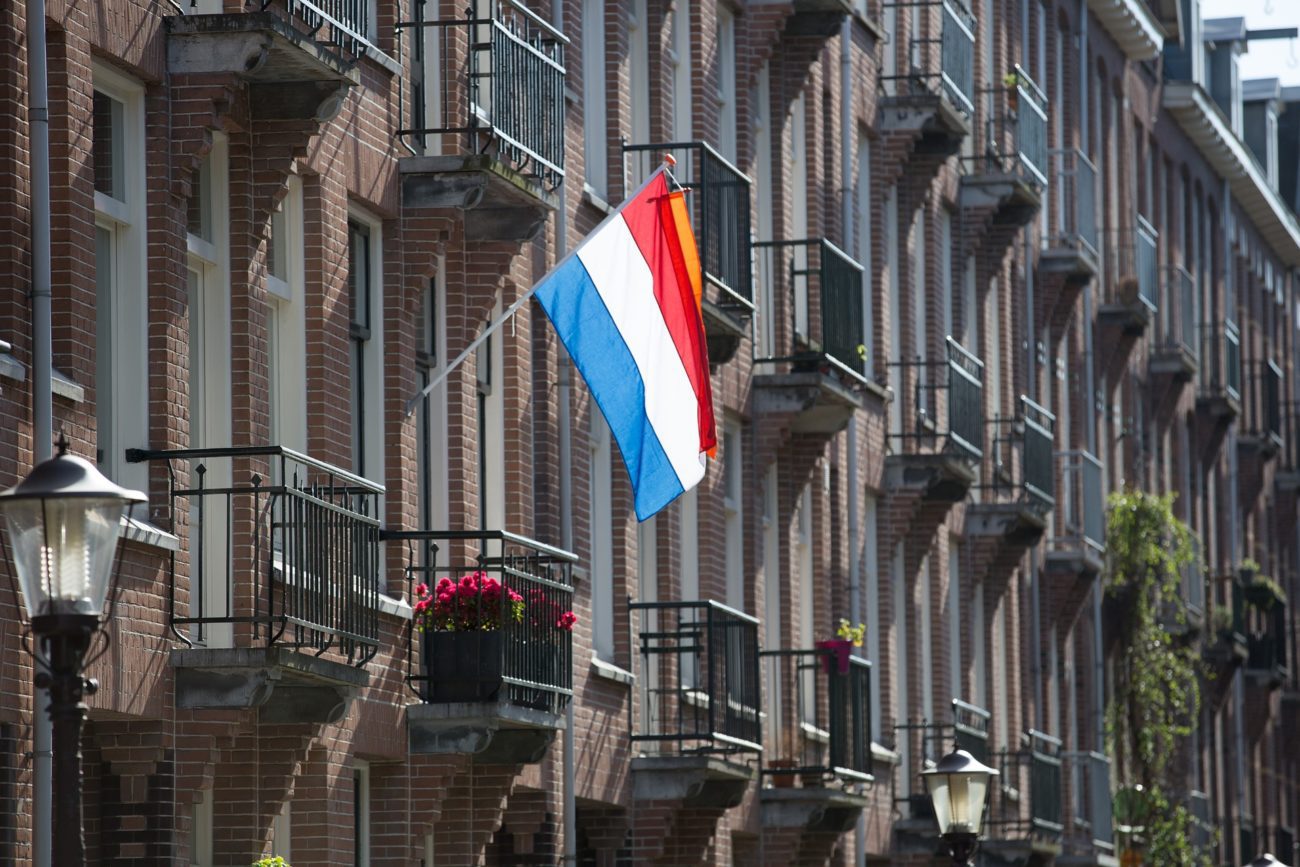
Navigating the Challenging Landscape of Dutch Gambling: A Call for Regulatory Reevaluation
The Dutch gambling market is at a crossroads, grappling with heightened regulatory constraints that threaten its licensed operators. As player protection measures intensify, the legal framework is prompting many to turn toward unregulated alternatives, raising alarms among industry stakeholders. Legal experts predict that a reconsideration of these stringent rules could be on the horizon if politicians grasp the impact of illegal gambling operations.
Since the legalization of online gambling in 2021, the Netherlands has imposed stringent regulations to limit advertising and reduce player engagement. This hardline approach has drawn significant criticism from operators, who argue that such measures discourage legal participation in favor of unregulated offerings that bypass deposit limits and other regulations designed to protect consumers.
As the government prepares to update its gambling laws, State Secretary for Legal Protection Teun Struycken has indicated plans for further enhancements to player protections, including potentially increasing the age limit for high-risk products. However, there’s a prevailing sentiment that the current trajectory may inadvertently bolster the black market, harming legitimate enterprises instead.
A Turning Point Ahead?
The question arises: will Dutch lawmakers reverse their strict measures? Justin Franssen, co-founder of the law firm Franssen Tolboom, suggests that a significant shift toward black market dominance might trigger a more flexible regulatory stance. He cautions, however, that political intervention often comes too late—when the damage is already done.
Recent reports from the Kansspelautoriteit (KSA), the Dutch gambling authority, show a concerning trend: while the official channelization rate stands at 93%, the actual betting activity seems equally split between legal and illegal platforms, suggesting a growing dependency on unregulated operators. H2 Gambling Capital projects a bleak future for licensed operators, estimating their market share to drop to just 45% by 2030.
The Troubling Rise of Illegality
The ascent of black market gambling is particularly alarming in the Netherlands, outpacing similar trends in other European jurisdictions. KSA’s operational coordinator, Peter Rampertaap, emphasizes the necessity of educating players about legal versus illegal operators, especially since younger demographics struggle to identify the distinctions. The allure of tax-free operations makes illegal gambling a tempting prospect for many.
Although the KSA reports a decline in average monthly losses due to deposit limits, this is contrasted by a surge in searches for illegal gambling sites, indicating a shift in consumer behavior that could undermine both market stability and player safety.
Political Dynamics and Future Directions
The evolution of the Dutch gambling landscape reflects a complex interplay between regulatory ambition and market realities. The Remote Gaming Act, initially proposed in 2014, faced extensive delays, and subsequent constraints have prompted operators to aggressively compete for market share. This aggressive marketing strategy has backfired, contributing to a negative public perception of gambling and fostering political backlash.
Interestingly, state-owned operators like Holland Casino and Nederlandse Loterij could have steered the industry toward better self-regulation, yet they inadvertently led the charge for stricter controls. As Franssen points out, this presents a paradox where government-owned entities are at the center of the political controversy surrounding gambling.
The Path Forward
Political uncertainty adds another layer of complexity to the future of gambling in the Netherlands. Following a recent government collapse, upcoming elections set the stage for potential shifts in regulatory focus. Industry insiders speculate that a post-election government might choose to moderate restrictions, fostering a more conducive environment for innovation and competition among licensed operators.
As Mike de Graaf from BetComply notes, it’s essential for the gaming industry to embrace the market as a genuine opportunity rather than a profit-driven enterprise. The challenge lies in balancing player protection with a regulatory framework that allows for sustainable growth and innovation.
In conclusion, the future of regulated gambling in the Netherlands hinges on a collective reevaluation of policies that prioritize harm reduction without stifling the legal market’s vitality. Only through adaptive legislation can the industry thrive, ensuring safe, responsible gaming while mitigating the lure of the illegal gambling market.