Outcry Over GSIS Investment in Controversial Online Gaming Firm
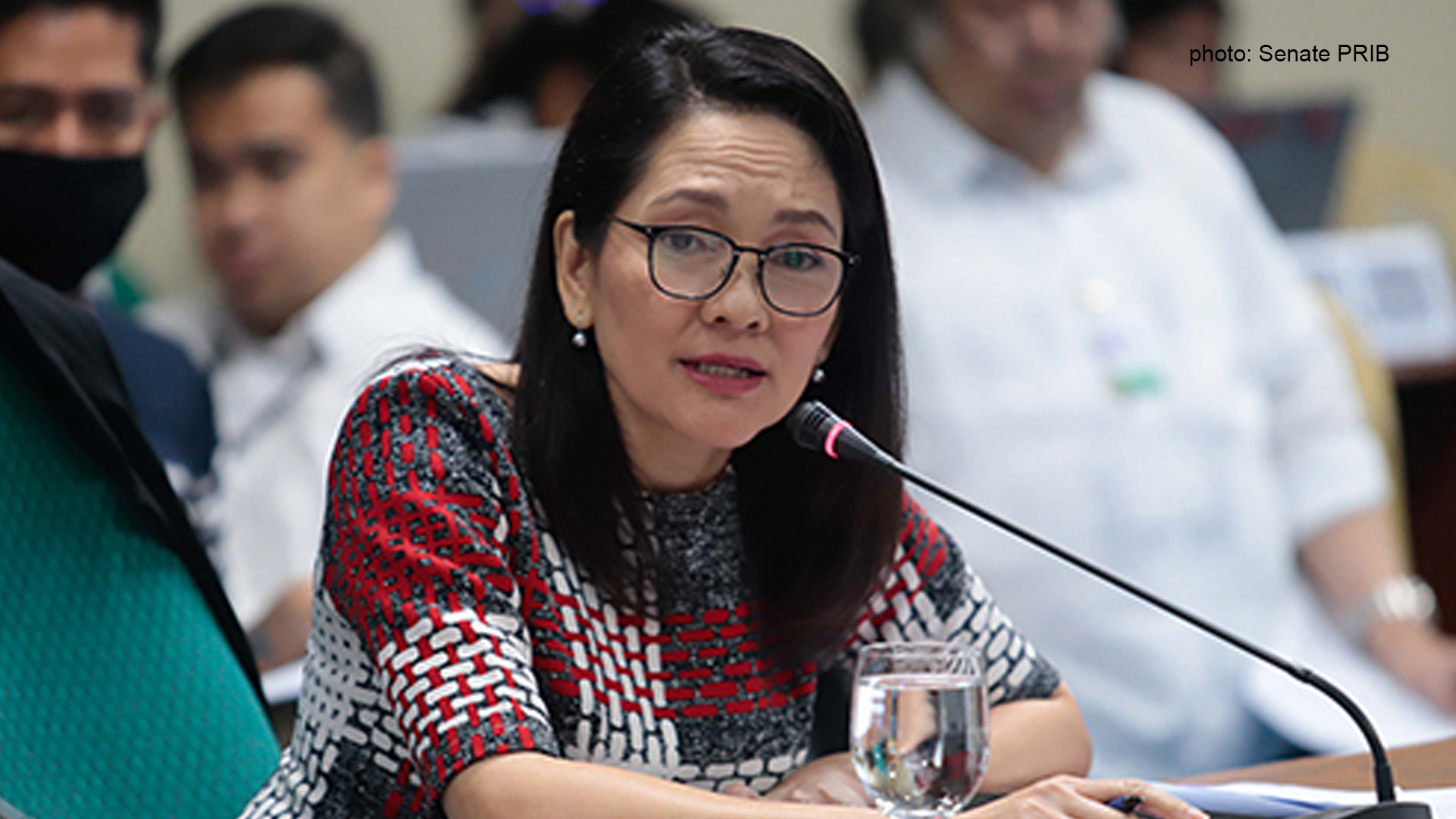
Senator Risa Hontiveros, known for her stance against offshore gaming operations, expressed her outrage upon discovering that the Government Service Insurance System (GSIS) has plunged PHP1 billion (approximately US$17.4 million) into the online gaming company DigiPlus.
Despite escalating concerns about the impact of online gambling in the Philippines, GSIS recently made this significant investment in DigiPlus, a decision that has prompted fierce criticism.
In July, the Office of the Ombudsman took action by suspending GSIS President Jose Arnulfo “Wick” Veloso and six associates for making questionable investment choices. A report from the Commission on Audit revealed that GSIS had poured PHP2.3 billion into three firms lacking a solid profitability history over the past three years, raising alarms about the security of members’ contributions.
Originating as an insurance entity in the 1930s for public sector employees, GSIS has since expanded to include pension and retirement benefits, thereby serving a crucial role in the welfare of government workers such as teachers and law enforcement personnel.
Senate Leader Raises Concerns
On the Senate floor, Deputy Minority Leader Risa Hontiveros vocally condemned the funding allocated to DigiPlus.
"Can you believe it, Mr. President and esteemed colleagues? GSIS has invested over PHP1 billion in the realm of online gambling—shares that peaked at PHP65.30 but have plummeted to PHP13.68,” she exclaimed.
DigiPlus, which is publicly traded on the Philippine Stock Exchange, recently occupied the 233rd spot on the Fortune Southeast Asia 500 list. The company touts itself as a pioneer in digital entertainment, aiming to enhance the joy and engagement of users through innovative technology.
Hontiveros, however, views this differently. Alongside Senate President Juan Miguel Zubiri and Senator Joel Villanueva, she is advocating for a comprehensive ban on online gambling in the Philippines. In the meantime, she has introduced a bill to prohibit the use of digital wallets and multi-functional apps for online betting.
"E-gambling has led to immense financial distress for countless Filipinos," Hontiveros noted. "The convenience offered by e-wallets often makes matters worse, with some individuals losing everything with a single click."
Additionally, Hontiveros raised concerns regarding GSIS’s investment in Del Monte Pacific, a company currently burdened with nearly $2.3 billion in debt. This investment has already resulted in a paper loss of approximately PHP19.1 million, marking a significant decline. “The protective measures in place for GSIS investments appear to be failing,” she remarked.
GSIS to Reassess Investment Strategy
In response to the backlash, GSIS issued a statement expressing its commitment to transparency and accountability regarding its investment decisions. The agency has vowed to collaborate with relevant oversight and regulatory bodies concerning its stake in DigiPlus.
“Public trust must be continuously cultivated,” GSIS acknowledged. “We will be undertaking a thorough review of our investment policies, risk management criteria, and sector-specific guidelines, especially for sensitive industries.”
GSIS serves a community of 2.74 million members, including pensioners. As of June, the agency reported assets totaling PHP1.88 trillion and net income of PHP76.82 billion, reflecting a robust 31% rise year-on-year. It has also achieved a five-year average return on investments of 6.75%, underscoring its financial stability.
In conclusion, GSIS asserts that the Philippines Social Insurance Fund remains "strong, secure, and actuarially sound," but the recent controversies highlight a pressing need for reevaluation of investment strategies in potentially high-risk sectors.