Philippine President Marcos Remains Silent on Online Gambling Amid Calls for Reform
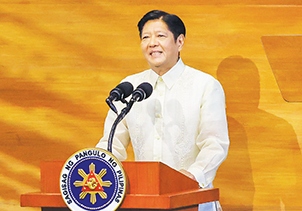
In his recent State of the Nation Address, Philippine President Ferdinand Marcos Jr. notably did not broach the subject of online gambling, even as pressure mounts for a complete ban on the industry. Observers had anticipated a more assertive stance following his previous prohibition of crime-heavy Philippine Offshore Gaming Operations (POGOs).
During his 2024 address, Marcos Jr. captivated audiences with his position on POGOs, which faced widespread criticism for their associations with crime. Yet, his omission of online gambling left many advocates for reform feeling let down, particularly those who had hoped for a decisive declaration to address ongoing concerns about the industry.
Just weeks ago, on July 7, legislators introduced two pivotal online gambling bills: one aims to strengthen existing regulations while the other seeks to eliminate iGaming entirely.
House Bill 1351 proposes a 10% tax on online gaming revenues, with intentions to allocate funds toward resources for problem gambling. The bill also aims to impose strict advertising limitations, prohibit the use of e-wallets for transactions, and restrict credit card deposits. Moreover, it seeks to ensure that operators actively identify and mitigate risky gambling behaviors while limiting access for individuals under 21.
On the other hand, Senate Bill 142 takes a more drastic approach by proposing a ban on all digital gambling platforms. Senator Juan Miguel Zubiri, the bill’s sponsor, expressed concerns about the rising issue of online gambling infiltrating households, indicating it poses a significant risk to families.
Navigating the Online Gambling Dilemma
Marcos’ decision to remain silent may suggest hesitance to endorse an outright ban on an industry that contributed approximately PHP 154.51 billion (roughly $2.7 billion) in gross gaming revenue for 2024—a 165% increase compared to the previous year. Even Senator Sherwin Gatchalian, a vocal opponent of POGOs, has indicated a preference for regulation over a full prohibition.
Gatchalian pointed out the societal issues exacerbated by online gambling, such as mental health and financial struggles, yet he continues to advocate for measures that maintain oversight of the industry rather than eliminating it entirely. Suggestions from him include curbing gambling sponsorships in public events and investigating online lending apps that may deepen gamblers’ debts.
Meanwhile, prominent casino operators in the Philippines, including Solaire and Okada, emphasize their commitment to responsible gaming through various safeguards like self-exclusion and deposit limits. They assert compliance with regulations, including anti-money laundering laws, and state that prohibition might inadvertently remove essential consumer protections.
Political Perspectives on the Issue
Political analysts voiced their hopes for stronger action against online gambling, with some, like Froilan Calilung, expecting a clear stance from the president to address moral and social challenges associated with the gambling industry. Senator Raffy Tulfo echoed this sentiment, calling for a definite cessation of online gambling rather than mere regulatory measures. Zubiri also sought insights into the administration’s direction regarding this sensitive topic.
However, a legal expert, Marie Antoinette Quiogue, articulated that the president’s silence may actually reflect thoughtful leadership. In her opinion, refraining from making a hasty decision is preferable in addressing such a multifaceted issue, which could benefit from more comprehensive analysis.
Quiogue points out that equating online gambling with POGOs is misleading. While POGOs predominantly served foreign markets, their operations were linked to severe forms of corruption and crime, prompting their ban. Conversely, the online gambling sector deserves a nuanced evaluation, as its governance implications extend far beyond immediate concerns.
“An abrupt decision to eliminate a legitimate revenue-generating industry could have lasting repercussions for investor confidence and economic stability,” Quiogue warns, emphasizing the need for a well-considered approach.
As the debate continues, the future of online gambling regulation in the Philippines remains uncertain, balancing economic interests with ethical considerations for its citizens.