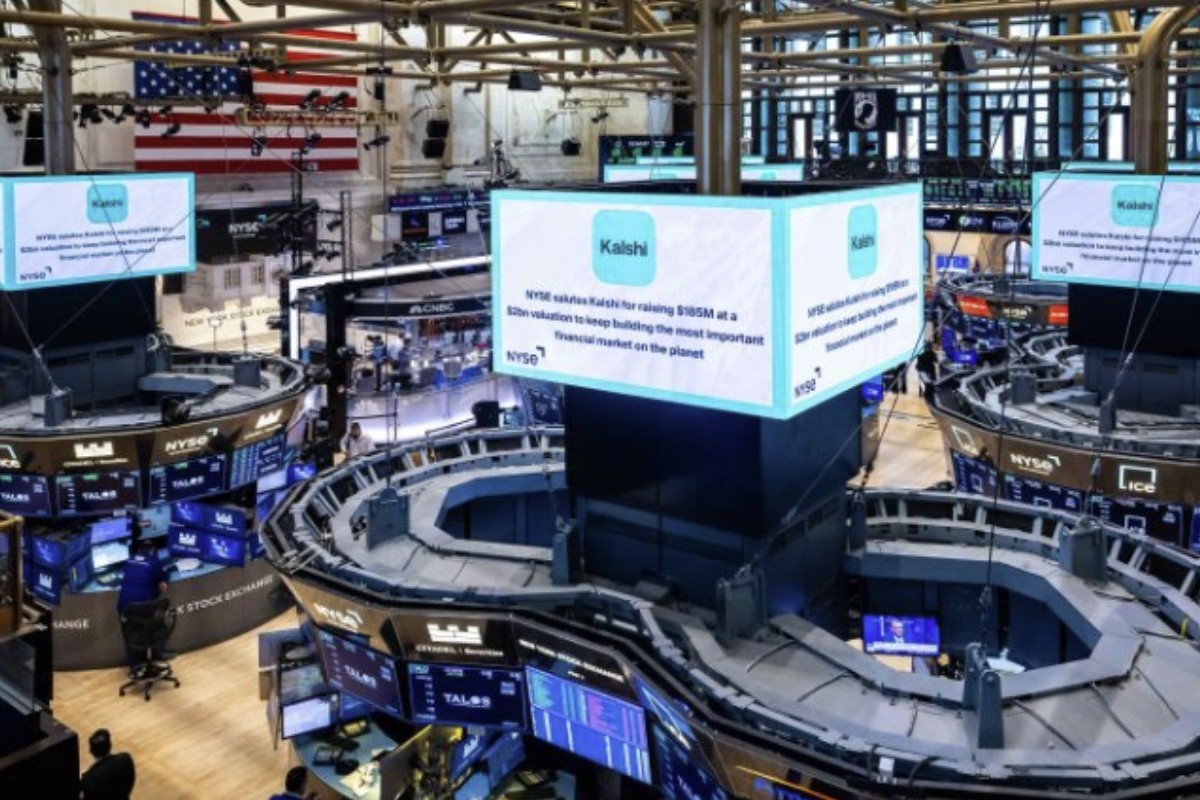
Kalshi’s $185 Million Series C Funding: A New Chapter in Prediction Markets
The latest funding news from Kalshi has set the stage for significant developments in the prediction market arena. Recently, the company secured a remarkable $185 million in a Series C funding round, elevating its valuation to $2 billion. This financing round attracted notable participation from Paradigm, a venture capital firm specializing in cryptocurrency, alongside prominent names such as Sequoia, Neo, Multicoin, and Bond Capital. Noteworthy too was the involvement of Citadel Securities’ CEO, Peng Zhao.
Kalshi’s CEO, Tarek Mansour, expressed that the driving force behind the team’s dedication lies not in the funds raised but in their collective ambition to establish what they believe to be the most crucial financial market globally. His sentiment was echoed in a post on his X account, reinforcing the vision that extends beyond mere financial metrics.
Competing in the Unicorn Race
Kalshi’s announcement followed closely after news that competitor Polymarket was close to securing over $200 million, potentially bringing its own valuation to around $1 billion. This timing illustrates an increasingly competitive landscape in the prediction market sector, where both companies are vying for investor confidence and market presence.
Interestingly, despite facing legal challenges in the U.S., Polymarket managed to achieve an impressive trading volume exceeding $2.5 billion during the last presidential election. Both Kalshi and Polymarket previously offered contracts focused on the outcomes of the Democratic primary for New York City’s mayoral race.
Kalshi’s First NFL Season and Regulatory Hurdles
As Kalshi embarks on its inaugural NFL season, its offering of event contracts for the league’s opening week energizes sports betting enthusiasts. However, past attempts to create sports-related contracts have prompted legal scrutiny—earlier this year, the New Jersey Attorney General’s office issued a cease-and-desist order to Kalshi regarding March Madness contracts.
The regulatory landscape is a crucial consideration; Kalshi argues that its event contracts align with federal regulations outlined by the U.S. Commodity Futures Trading Commission (CFTC). During a recent Senate confirmation hearing, Brian Quintenz, nominated to lead the CFTC, acknowledged the complexities surrounding event contracts and indicated his position might necessitate stepping back from Kalshi affairs should he be confirmed.
Tribal Coalitions Challenge Prediction Markets
As the conversation surrounding prediction markets intensifies, tribal associations are becoming increasingly vocal against these ventures. A coalition filed suit in New Jersey on claims that such predictions infringe upon tribal sovereignty as they classify predictions under Class III gaming, which should be regulated differently.
The lawsuit underscores concerns that Kalshi’s offerings could undermine state agreements, prompting a deeper review of how the CFTC categorizes predictions and their potential legal implications. Commentary on Mansour’s LinkedIn post points to a strong sentiment regarding the conflict between state, federal, and tribal jurisdictions.
Summary
As Kalshi navigates both funding successes and regulatory challenges, it positions itself at the forefront of an evolving financial market landscape. With increased scrutiny from tribal coalitions and competitors, the future of prediction markets remains uncertain yet promising, paving the way for a new era in how information and speculative events are traded.