India’s Ban on Real-Money Online Gaming: A Misguided Effort?
India has recently enacted a ban on real-money online gaming, a move that has sparked significant debate among stakeholders and the public alike. Critics of this legislation argue it won’t eliminate gambling; rather, it will drive users toward unregulated offshore platforms, potentially exacerbating the very issues the government aims to address.
The Ban’s Context and Implications
The law was passed amid alarming statistics revealing that approximately 450 million people, roughly one-third of India’s population, are collectively losing around $2.3 billion annually through gambling. As part of the new legislation, known as the 2025 Promotion and Regulation of Online Gaming Bill, any form of online cash gaming, along with its promotion and advertising, has been criminalized. Additionally, banks and payment processors are now prohibited from facilitating transactions related to these games, and violations can lead to hefty fines or even imprisonment for up to five years.
Government supporters, including Technology Minister Ashwini Vaishnaw, assert that the ban is a protective measure against the manipulation of users by iGaming companies promising unrealistic profits. Vaishnaw’s stance emphasizes the social risks tied to gambling, particularly among the middle class, noting troubling trends such as gambling-related suicides.
The Underground Shift
However, opponents argue that outright prohibition often leads to unintended consequences. Many gaming enthusiasts have voiced their fears about being forced into the shadows of unregulated gambling territory. One anonymous player remarked, “This isn’t a new reality; we will revert to our old habits.”
Adarsh Sharma, a fantasy sports aficionado, predicted a spike in the use of illegal platforms, facilitated by technologies like virtual private networks and anonymous credit transactions. "Once a habit is ingrained, it’s tough to break," Sharma stated, underscoring the addictive nature of gaming.
Legal and Constitutional Challenges Loom
Concerns regarding the ban’s implications extend beyond its immediate social impacts, with potential legal challenges on the horizon. Critics highlight the risk of infringing upon Article 19(1)(g) of the Indian Constitution, which protects the right to pursue any profession, trade, or business.
Companies like A23 have taken a stand against the legislation, labeling it a form of state paternalism. Legal experts worry that the law may falter under scrutiny, as it could restrict legal avenues while simultaneously paving the way for illicit offshore operations, which pose more substantial risks to consumers.
Economic Fallout and Industry Response
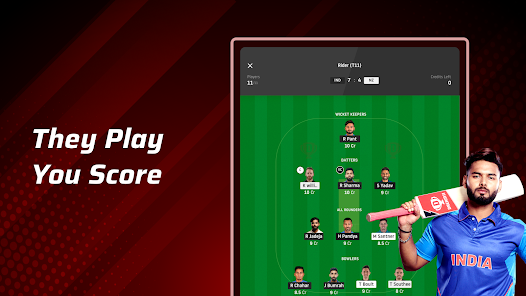
The economic ramifications of the ban are already becoming evident. Dream11, a leading fantasy sports platform with over 260 million users, has withdrawn from a substantial sponsorship deal within the cricket sector. CEO Harsh Jain expressed shock at how quickly the legislation was pushed through, noting that the industry felt blindsided by the abrupt change.
While Dream11 has no plans to legally contest the ban, Jain acknowledged that the sector needs to take more proactive steps toward self-regulation moving forward. "In hindsight, we could have done more to protect both consumers and the industry integrity," he said.
The Rise of the Black Market
The shift to illegal betting is a growing concern among industry leaders. Jain remarked, "Whenever a restriction is imposed, a black market emerges." Already, operators from abroad are reportedly targeting Indian players with enticing offers. Although the government promises to clamp down on such practices, the challenge of regulating the vast and loosely monitored internet landscape looms large.
Conclusion
India’s ban on real-money online gaming has raised questions about its effectiveness and the potential for unintended consequences that could arise from this sweeping legislation. While the government touts the ban as a protective measure, the risk of driving users to dangerous, unregulated territories remains a pressing concern. As the landscape evolves, both legal and economic repercussions will undoubtedly shape the future of gaming in India.