India’s Online Gambling Ban: A Double-Edged Sword for Gaming and Sports Industries
In a bold move last month, Indian lawmakers enacted the Promotion and Regulation of Online Gaming Bill, effectively prohibiting all forms of real-money online gaming, including poker, rummy, and fantasy sports. The legislative journey concluded on August 19, with presidential approval just three days later.
The new law imposes stringent measures, barring banks and payment services from facilitating transactions tied to cash gaming. Violators could incur penalties reaching Rs21 crore (approximately $113,000) or face imprisonment for up to three years. Furthermore, celebrities and influencers endorsing these games may also find themselves facing criminal repercussions.
Advocates for the prohibition cite concerns over gambling addiction and significant financial losses, with India’s IT Minister Ashwini Vaishnaw urging that the iGaming sector has inflicted severe emotional tolls, including depression and even suicide among some individuals. However, specific data to substantiate these claims remains elusive.
On the flip side, critics warn that outright bans may push gamblers toward unregulated, underground markets devoid of taxation and player safety. Prominent gaming lawyer Jay Sayta expressed frustration with the rapid passage of the bill, highlighting that it lacked comprehensive debate. Smrita Singh Chandra, formerly involved with iGaming platform Dream11, echoed these concerns on LinkedIn, condemning the abrupt nature of the ban without regard for economic implications.
"Labeling a previously validated platform as illegal overnight is not just misguided; it raises ethical questions," she stated.
Economic Impact: Jobs and Revenue at Stake
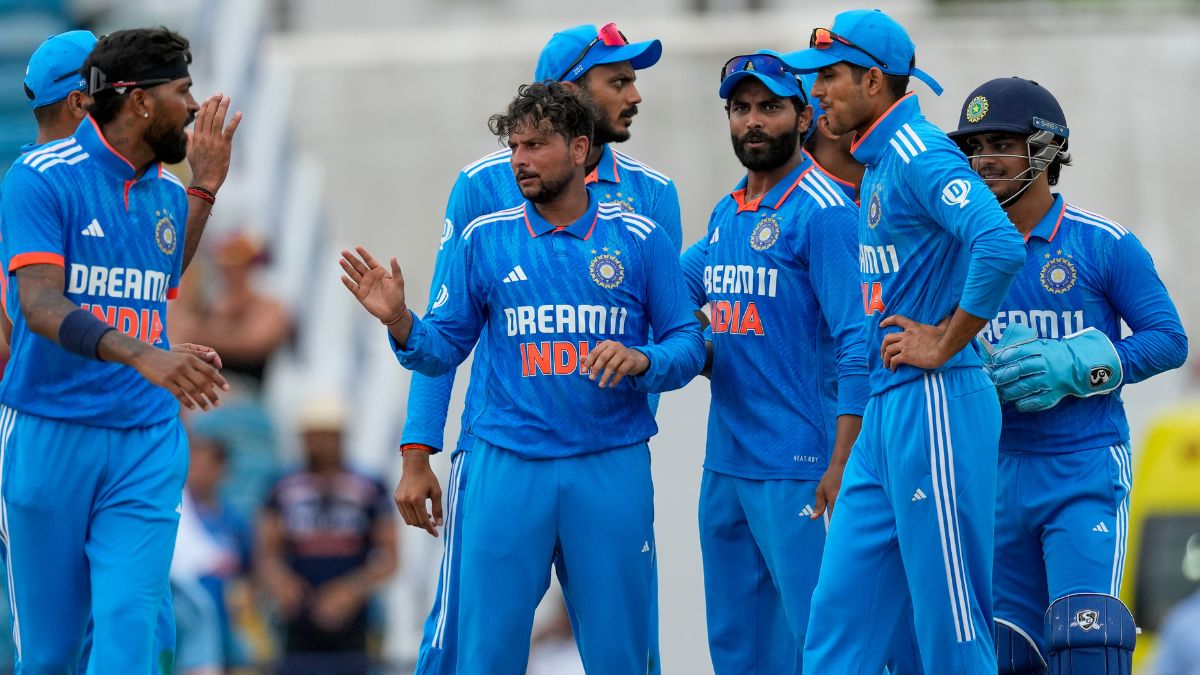
The ramifications of shuttering legal gambling platforms have ripple effects throughout the sports industry. Dream11, for instance, was forced to dismantle its fantasy betting service, anticipating a staggering 95% revenue drop, which has led to the termination of its sponsorship deal with the Board of Control for Cricket in India. Other companies, such as My11Circle and Flutter, have taken similar actions, signaling a broader trend of contraction within the sector.
Reports indicate that the real-money gaming industry supports approximately 200,000 jobs domestically and contributes a significant Rs1.764 crore in annual tax revenue. Jaya Chahar, CEO of JCDC Sports, emphasized that the ban diverts fan engagement from regulated Indian platforms to unmonitored offshore alternatives, undermining the objective of safeguarding consumers.
Nandan Kamath, an attorney and founder of the GoSports Foundation, suggested that while the law aims to protect citizens, it may inadvertently create more issues than it resolves. "The immediate shutdown eliminates a platform for digital engagement that can mitigate some personal and social issues, as it pertains to addictive behaviors," he noted. He stressed that effective enforcement against illegal offshore operators poses a considerable challenge.
Looking ahead, Kamath anticipates potential judicial scrutiny of the law. Historically, absolute bans have struggled to withstand legal challenges. "The government may invoke public health or social order arguments," he noted, "but courts are likely to investigate whether less restrictive measures could be effective."
As the situation evolves, the Supreme Court of India prepares to hear challenges against the ban. Indian gaming company A23 has already initiated a court battle, characterizing the law as a "product of state paternalism" and claiming it violates constitutional rights when applied to skill-based games.
The outcome of this legal battle could set significant precedents for the future of online gaming in India, signaling pivotal shifts in how lawmakers balance regulation with economic interests and personal freedoms.