California and Texas: Prime Targets for Sportsbook Expansion
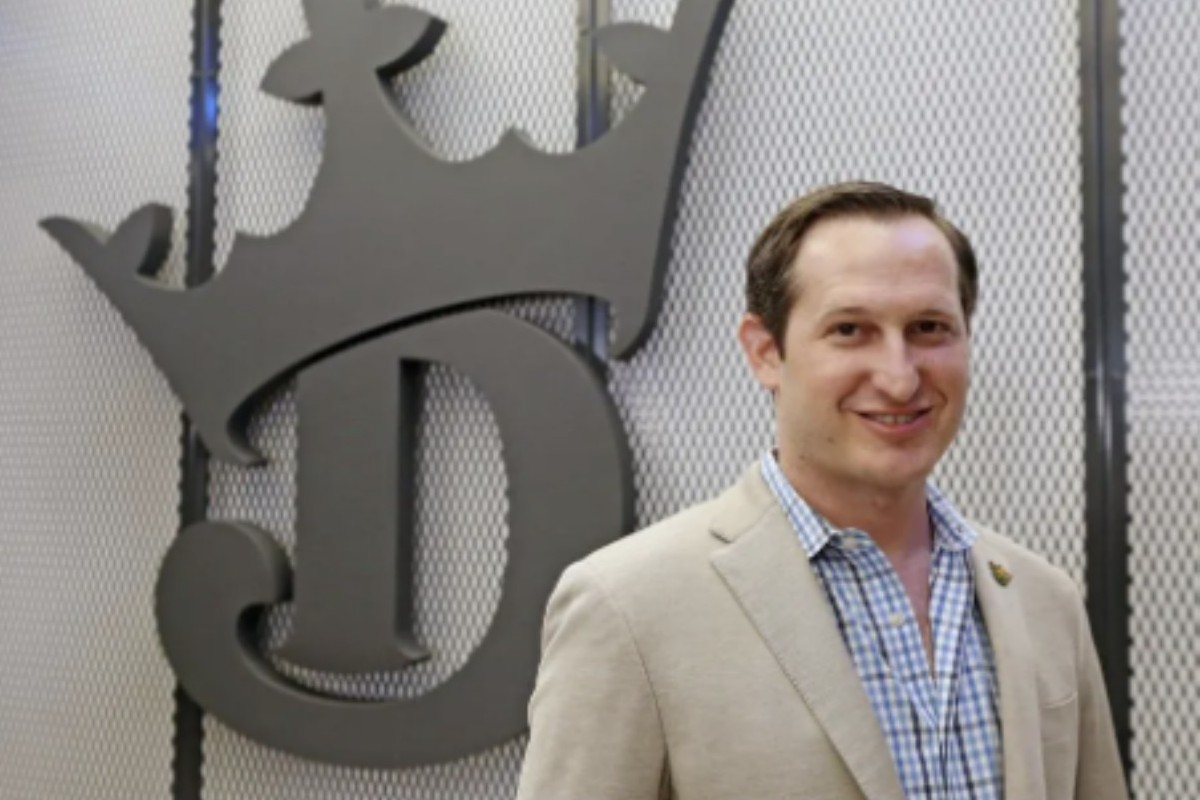
As the NFL season unfolds, Jason Robins, the CEO of DraftKings, embarks on his eighth season since the launch of the company’s commercial sportsbook following the U.S. Supreme Court’s ruling that paved the way for legalized sports betting outside Nevada.
In the pre-pandemic landscape, Robins and other sportsbook executives faced less competition from emerging prediction markets, which have recently gained traction and attention. Now, with football season in full swing, many leading sportsbooks are contemplating their own prediction market strategies.
During a recent appearance at the 2025 BofA Gaming and Lodging Conference, Robins spoke about the potential for derivative trades in states lacking legalized sports betting. Though he refrained from naming specific regions, it’s widely speculated that California and Texas are on the radar. Having engaged in merger talks with Railbird Exchange over the summer, DraftKings has yet to announce any imminent plans for a prediction market launch. However, Robins emphasized that the potential market for sports derivatives in states without legal betting could be significant.
“It’s crucial that we approach this thoughtfully,” Robins stated to BofA analyst Shaun Kelley. “The market opportunity appears substantial in states currently lacking online sports betting.”
A Cautious Approach to Prediction Markets
Robins’ recent comments on prediction markets arise after DraftKings reported its earnings in early August. He highlighted the company’s intention to adopt a deliberate strategy in identifying viable prediction market avenues. Competing platforms like Kalshi and Crypto.com are venturing into contracts that resemble derivatives, akin to futures contracts for commodities like oil and soybeans. Notably, DraftKings has not included a prediction market initiative in its financial forecasts for 2025.
As anticipation for the football season builds, major players are unveiling significant launches. Flutter, a principal competitor via its FanDuel brand, recently formed a partnership with the CME Group to develop a new prediction market, initially focusing on non-sports contracts. Meanwhile, Crypto.com has aligned with fantasy sports company Underdog, allowing users to engage with prediction markets seamlessly through Underdog’s app.
Just before the NFL season kicked off, Polymarket announced it secured approval from the U.S. Commodity Futures Trading Commission to operate prediction markets in the country. Having settled previous legal issues for offering illicit contracts, Polymarket operates without state-level regulation.
Unlike these federally recognized entities, DraftKings must remain mindful of its relationships with state regulators, a point Robins underlined. “The pressing question is how this space will evolve. Federal indicators suggest stability, but state responses remain uncertain. Polymarket operates in a different landscape, free from local revenue risks.”
The Challenge of Market-Making
Robins noted that traditional sportsbooks function as the house, while prediction markets necessitate “market makers,” who provide the necessary liquidity for trades. For instance, platforms like Kalshi assess probabilities for upcoming games—like giving the Philadelphia Eagles a 53% chance of defeating the Kansas City Chiefs—and rely on market makers to balance the betting volume on both sides.
In a notable development, Susquehanna Government Products became the inaugural market maker for Kalshi’s event contracts. However, scrutiny from regulatory bodies, such as the Nevada attorney general’s office, has raised questions about these market-making operations.
When evaluating the prospect of launching a prediction market, Robins acknowledged the complexity of matching liquidity to DraftKings’ extensive standard sportsbook offerings. He explained that the liquidity demands in prediction markets might limit the diversity of bets available to consumers.
For instance, significant trades on platforms like Kalshi often require substantial backing from market makers to handle the volume of bets on both sides during high-stakes events such as elections.
Through its traditional sportsbook approach, DraftKings maintains control over betting limits, allowing it to offer a wide variety of options that may not be feasible in a prediction market setting.
NFL Week 1 Insights
The initial weekend of the NFL season yielded impressive trading activity, with Kalshi reporting a volume of $441 million during the first four days. While this amount is slightly lower than last year’s Election Night volumes, it marked a significant debut for NFL event contracts.
Analysts from Citizens JMP observed that Kalshi’s prices for money line and over/under betting were relatively higher compared to DraftKings and FanDuel, highlighting potential pricing discrepancies early in the season.
As the season progresses, one crucial trend to watch is the influx of market makers into Kalshi. Typically, an increase in market makers leads to more competitive pricing for bettors, an outcome that can vary notably in the opening weeks of the NFL season due to promotional strategies.
At this stage, DraftKings has yet to announce a timeline for its potential entry into the prediction market space.