Canadian AML Experts Prepare for Scrutiny from FATF in November
As November approaches, Canadian anti-money laundering (AML) specialists are gearing up for an extensive evaluation by the Financial Action Task Force (FATF). This global regulatory body will assess Canada’s current AML framework, an essential step in addressing significant concerns in the industry.
In recent months, Nevada authorities have intensified oversight of casinos on the Las Vegas Strip, imposing hefty fines on major players like MGM Resorts, Wynn, and Resorts World Las Vegas. The penalties, enacted for insufficient AML measures, stem from a broad sports betting scandal whereby illegal bookmakers leveraged casinos to launder substantial sums of money.
In Canada, the situation has developed differently. Since adopting single-event sports betting in 2021, provinces—particularly Ontario—have made commendable strides in converting grey market operators into regulated entities. Despite these advancements, challenges remain pervasive.
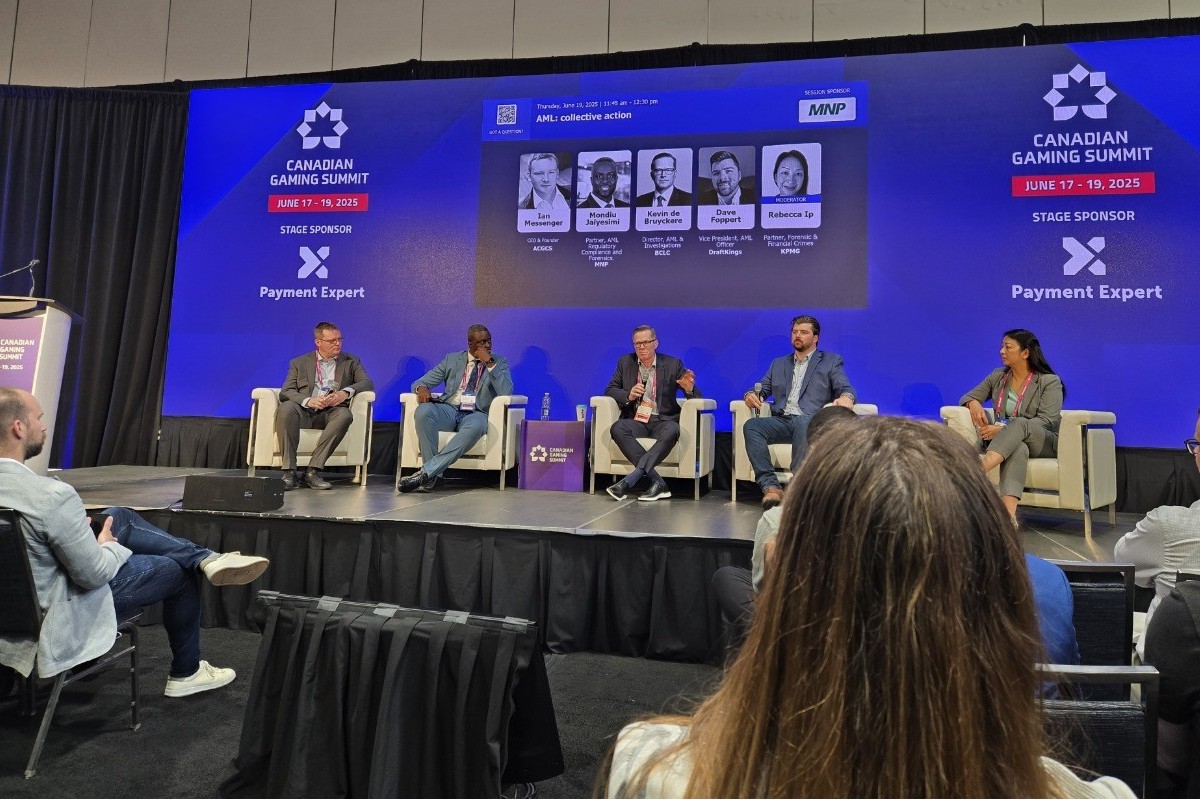
In response, leaders in the gaming sector advocate for a significant overhaul of the national AML standards, arguing that existing regulations do not keep pace with technological advancements exploited by criminals. The urgency of this overhaul became a focal topic during the recent Canadian Gaming Summit in Toronto, which highlighted the need for modernized policies to manage the evolving risks of money laundering.
Paul Burns, President of the Canadian Gaming Association, emphasized the importance of aligning regulations with the complexities of the current digital landscape. As Canada prepares for the FATF’s scrutiny, the call for an upgrade in AML protocols is louder than ever.
Upcoming FATF Evaluation
The Canadian Gaming Summit took place just months before Canada’s collaboration with the FATF, marking the first substantial cooperation since the task force issued its last evaluation in 2016. This forthcoming review holds significant implications, especially given the FATF’s previous concerns about cash-intensive businesses and their vulnerability to money laundering activities.
Brick-and-mortar casinos have been flagged for their susceptibility to such risks, with the FATF underscoring glaring weaknesses in Canada’s AML strategies. Notably, the 2022 Cullen Commission report exposed considerable money laundering activities, particularly within British Columbia’s real estate sector, where large amounts flowed from illicit sources through casinos.
Yet, crucial recommendations—such as the establishment of a dedicated AML investigative unit—have yet to see implementation, revealing a substantial gap in the nation’s response.
The FATF has acknowledged that while retail casinos understand the risks involved, online gaming platforms present a growing challenge. During the summit, Kevin de Bruyckere from the British Columbia Lottery Corporation brought attention to serious concerns regarding online operators possibly facilitating money laundering connected to fentanyl trafficking.
Fentanyl Trafficking and iGaming
De Bruyckere highlighted alarming evidence indicating that online gambling sites might be exploited to launder proceeds from fentanyl distribution. Findings from FINTRAC suggested that traffickers often funnel money from transfer services to online gaming platforms, subsequently withdrawing funds through payment processes that obscure their origins.
This raises pressing questions about the adequacy of Canada’s AML apparatus, especially considering a recent cyber breach experienced by FINTRAC—an incident that had significant ramifications for reporting and compliance processes.
As the opioid crisis deepens, Canada is contemplating robust amendments to its AML framework. Proposed legislation under Bill C-2 seeks to enhance penalties for non-compliance significantly, targeting both individuals and corporations.
The Need for Modernization
Critics argue that Canada’s current AML laws are outdated. Derek Ramm from Kinectify noted that a restrictive definition of casinos results in inconsistencies, where some wagers made in physical locations evade AML scrutiny while similar online bets are subject to reporting.
The looming FATF evaluation has left many industry leaders anxious for progress. As outlined during the summit, there is a consensus that the current AML mechanisms are insufficient. The community is eager for enhancements in information sharing and outcome-focused metrics to combat money laundering effectively.
As discussions continue, there is a collective hope that this evaluation could be the catalyst needed to prompt meaningful reform in Canada’s approach to tackling money laundering and strengthening its AML regime for the future.