Giovanni Rocco Emphasizes the "Social Responsibility" of Betting Companies Toward Brazilian Sports
Giovanni Rocco, the national secretary for sports betting and economic development in Brazil, is advocating for the establishment of a dedicated interministerial committee aimed at ensuring transparency in the allocation of tax revenues generated from sports betting. He asserts that a permanent body is essential for guiding government oversight, particularly in light of the potential social and economic challenges associated with gambling.
During a recent hearing involving the ministries of sports and finance, as well as a subcommittee focused on the regulation of sports betting, Rocco made a compelling case for greater transparency in both the collection and distribution of funds earmarked for sports.
He expressed concern over the government’s shortcomings in collecting betting tax revenue leading up to the official launch of a regulated market that began on January 1 of this year. Rocco emphasized, “The efficient allocation of resources is paramount for the ministry of sports,” highlighting the obligation of betting operators to contribute meaningfully to Brazilian sports.
“Betting companies have a social responsibility,” Rocco stated. “They have integrated themselves into the lives of countless individuals through sports, and thus must provide appropriate compensation to address the societal issues arising from gambling.”
Current Distribution of Sports Betting Tax Revenue
Currently, the sports sector receives 36% of the tax revenue generated from sports betting, with the Ministry of Sports benefitting the most from this arrangement. The distribution of these funds is as follows:
- Ministry of Sports: 22.2%
- National Sports System entities: 7.3%
- Brazilian Olympic Committee: 2.2%
- Brazilian Paralympic Committee: 1.3%
- Brazilian Club Committee: 0.7%
- State and Federal District sport departments: 0.7%
- Brazilian School Sports Confederation: 0.5%
- Brazilian University Sports Confederation: 0.5%
- Brazilian Master Sports Committee: 0.3%
- Brazilian Paralympic Club Committee: 0.3%
Antônio Hora, president of the Brazilian School Sports Confederation, raised valid concerns regarding the accuracy and transparency of the financial resources being allocated. He remarked, “While private entities can receive these funds, we lack assurance on the accuracy of the amounts due to a prevailing absence of transparency.”
In response to such issues, the Secretariat of Prizes and Bets has initiated a public consultation aimed at refining the allocation of fixed-odds betting revenue to make it more effective and responsive.
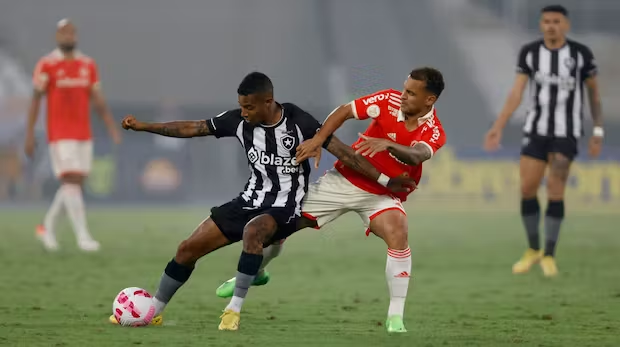
Rocco also pointed out Brazil’s significant reliance on the betting industry, noting that 18 of the 20 top professional football clubs have secured partnerships with betting companies this season. A recent agreement saw Betano become the master sponsor for Flamengo, marking one of the largest sponsorship deals in the history of Brazilian football, valued at approximately BRL250 million ($45.9 million) annually.
In another crucial development, the Brazilian sports commission has proposed restrictions on gambling advertisements, a measure that was approved by the Senate and is now awaiting further review by the Chamber of Deputies. If enacted, this legislation would prohibit gambling ads during live sporting events and ban athletes from appearing in such advertisements unless they have been retired for at least five years.
Given the deepening ties between football and the betting sector, Rocco advocates for a responsible conversation about betting advertising to safeguard the integrity of the sport. He lamented, “Initially, the absence of oversight allowed betting companies to dominate investments in Brazilian football. Today, the sport finds itself increasingly dependent on betting-related revenues, which have surged dramatically.”
With these pressing considerations, the dialogue surrounding the relationship between sports and the betting industry is set to become increasingly vital to the future of Brazilian athletics.