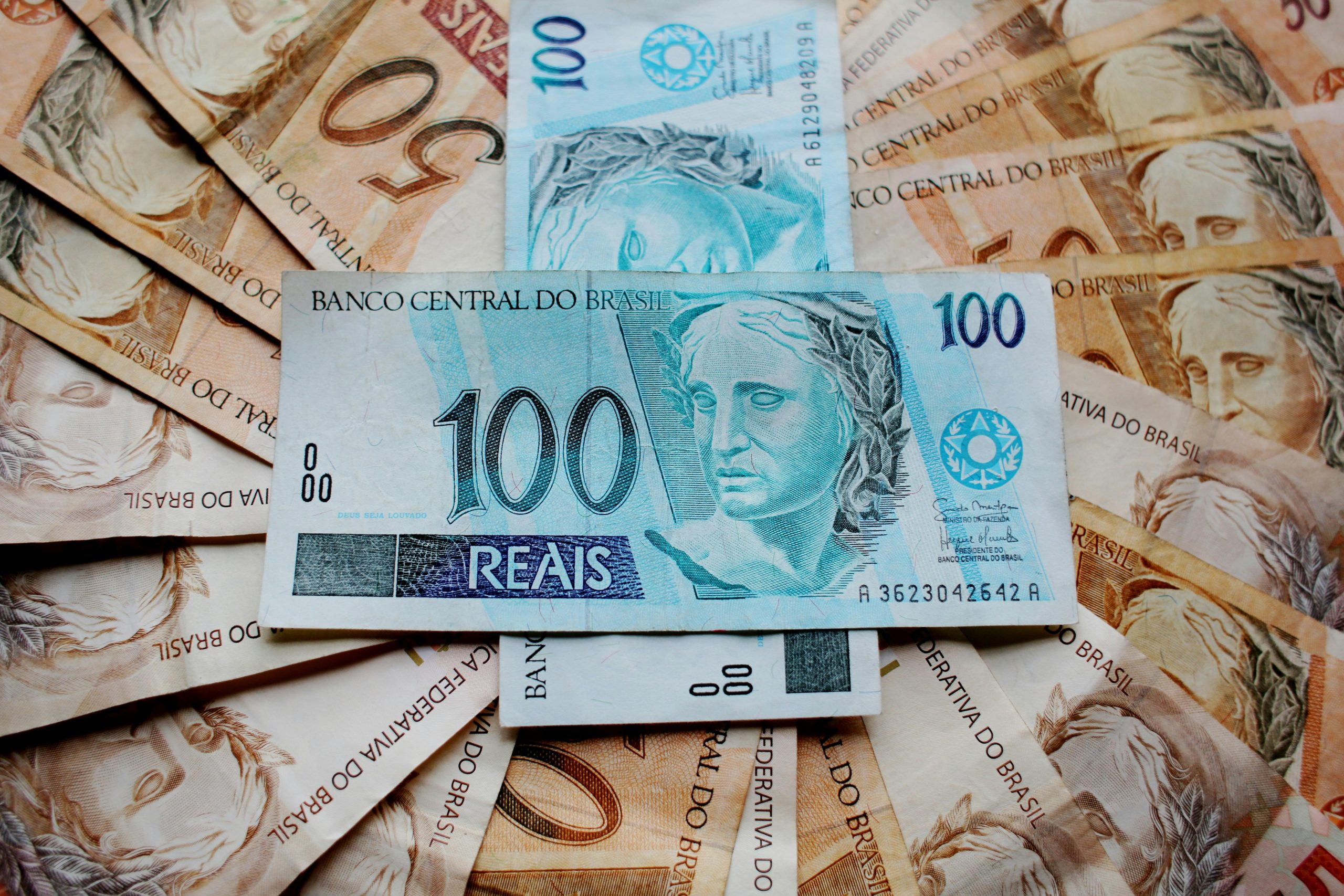
Gambling Tax Revenue in Brazil: An Emerging Landscape
Local legal authority Udo Seckelmann posits that once regulatory challenges are navigated, Brazil’s gambling tax revenues are poised for growth, provided that the tax rate remains unchanged.
In its inaugural six months of regulated betting, Brazil reported a remarkable BRL 3.8 billion (approximately $687.5 million) in tax receipts, as per the Federal Revenue Service (RFB).
On July 24, the RFB published its monthly update on tax collections within President Luiz Inácio Lula da Silva’s administration.
For context, the UK, with a significantly more mature gambling market, recorded £1.62 billion (about $2.2 billion) in taxes over the same six-month period from April to September 2022.
Notably, Brazil’s gambling sector saw tax collections reach BRL 764 million in June, though this represented a 6.1% decline from the previous month’s tally of BRL 814 million.
Seckelmann, who heads the gambling and crypto division at Bichara e Motta Advogados, interprets these statistics as a testament to the sector’s substantial public revenue potential.
“I’m not surprised by these initial figures,” Seckelmann remarked in an interview with iGB. “The current data illustrates that a regulated approach is more beneficial than prohibition or informal practices, both in terms of economic impact and public policy.”
Prior to the regulation of online gambling, proponents frequently highlighted the tax revenue opportunities for the Brazilian government. Seckelmann is optimistic that tax collections will grow as the market matures. He emphasizes that the initial months serve more to establish a robust legal framework rather than to maximize tax gathering immediately.
“Right now, many operators are adapting and applying for licenses; the government seems aware that tax revenues will steadily rise as the market develops,” he explained.
Challenges Ahead: The Need for Balanced Regulation
While early returns are promising, the Brazilian gambling industry faces potential hurdles. Recently, the Senate approved new advertising restrictions, and a provisional measure was introduced to raise the tax rate on operators’ Gross Gaming Revenue (GGR) to 18%.
These developments have sparked concerns among stakeholders regarding the sustainability of regulated activities, especially for smaller operators.
Seckelmann cautions that overly stringent regulations could hinder market growth. “If regulations are well-crafted, they can enhance the credibility and sustainability of the industry. However, excessive restrictions may push both consumers and operators towards unregulated options, leading to decreased tax revenues.”
He emphasizes that the primary aim should be to ensure high participation rates within the regulated sector, which necessitates an appealing and competitive legal market.
Though fluctuations in revenue might be expected in the early stages of regulation, he cautions that a heightened tax rate could lead to decreased revenue as operators recalibrate their business models.
The Future of Land-Based Gambling in Brazil
It’s worth noting that the RFB’s tax figures pertain solely to online gambling, as the legalization of land-based betting remains a topic of uncertainty. The Senate recently postponed voting on PL 2,234/2022, which had been anticipated to occur before the July recess.
The Senate, led by President Davi Alcolumbre, withdrew the item from the agenda due to insufficient attendance during discussions.
With the government recess concluding soon, it’s uncertain whether momentum for the vote will resume. However, if land-based gambling is legalized, significant tax benefits are expected to complement existing online revenues.
A recent DataSenado survey indicated that 60% of Brazilian adults support the legalization of land-based betting, with 58% believing it would boost tax revenues. Estimates suggest that such legalization could generate up to BRL 20 billion annually, alongside considerable advantages for Brazil’s struggling tourism industry.