Tech Giants Accused of Paving the Way for “Illegal” Gambling After RICO Case Withdrawal
In a surprising turn of events, the initial optimism surrounding social and sweepstakes casino operators was short-lived. Following the decision to withdraw a state-level lawsuit in New Jersey against several sweepstakes platforms along with tech giants Google and Apple, the plaintiffs quickly pivoted to a federal class action lawsuit on similar grounds.
This new litigation, launched just days after the initial case’s dismissal, omits any sweepstakes operators as defendants but targets the two tech behemoths directly. Is there a silver lining for the operators, or does this shift mark the beginning of deeper legal troubles?
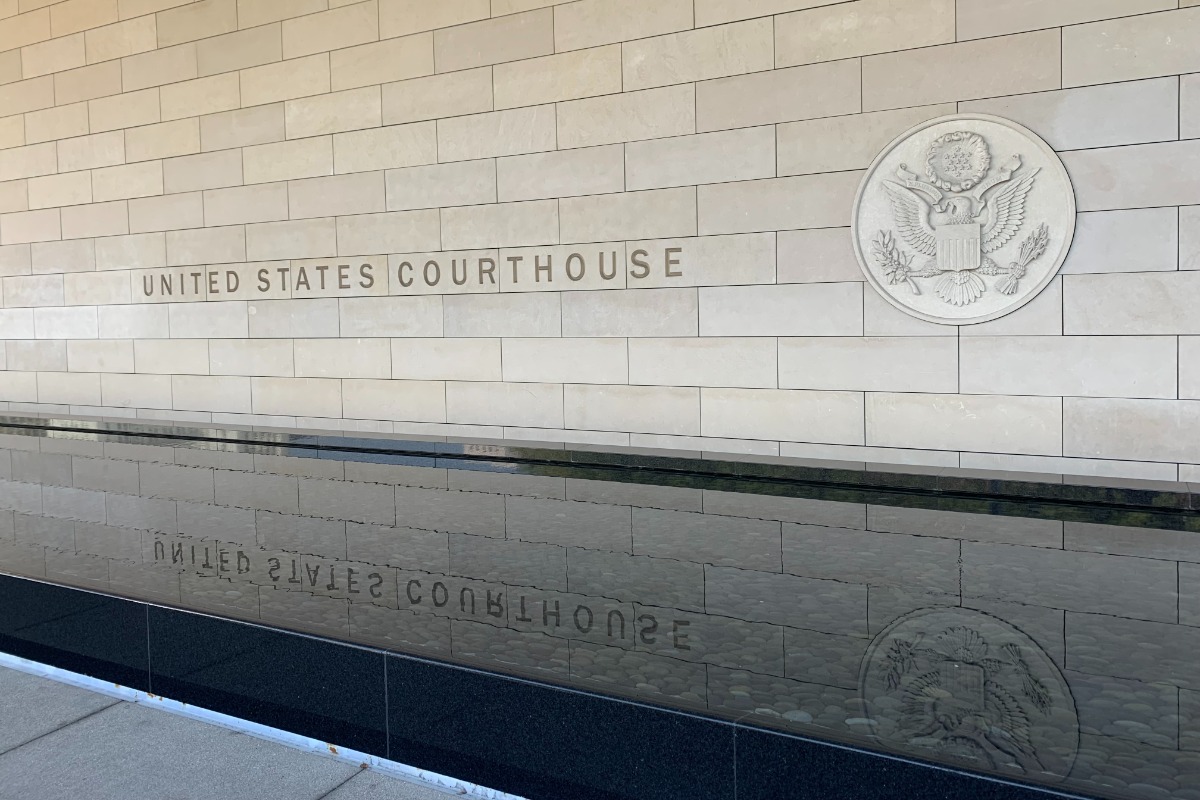
The lawsuit, submitted to the United States District Court in New Jersey, is spearheaded by plaintiffs Julian Bargo from New Jersey, Lamar Prater from New York, and Rebecca Platt, also from New York. They are seeking recompense for alleged losses incurred from what they describe as illegal gambling, as well as injunctive relief against an interstate gambling enterprise which they argue is being facilitated by both Apple and Google.
At the heart of this litigation is the assertion that sweepstakes casinos occupy a legally murky territory in the United States. While these venues have sparked intense debate regarding their legality, they remain unregulated under current laws. The plaintiffs contend that Apple and Google bear significant responsibility for enabling these operations by hosting and processing financial transactions through their platforms.
Echoes of the Past: A Familiar Legal Landscape
This latest suit closely mirrors the recently dropped state-level complaint, which had originally cited companies like High 5 Casino and others. However, this time those operators are mentioned but not included as defendants. Instead, the focus is squarely on the tech companies’ roles in distributing the sweepstakes casino applications and facilitating financial transactions.
The plaintiffs have accused these tech giants of misconduct by allegedly profiting from their involvement in the sweepstakes sector—taking a cut from app-based transactions and employing targeted advertising strategies aimed at attracting susceptible users.
As the landscape of online gambling continues to evolve, these developments underscore the ongoing tensions between traditional regulatory frameworks and the rapidly changing digital marketplace. The outcome of this federal class action suit could set important precedents for how tech companies interact with potentially contentious gaming apps and influence the broader conversation about the legality of such enterprises.
To delve deeper into this story and uncover its implications for the future of online gaming, follow the link for further insights.
Casino Reports is committed to providing independent coverage of the regulated U.S. online casino and iGaming industry, keeping readers informed with exclusive news, analyses, and updates on this dynamic field.