The Dangers of Exaggerating Brazil’s Illegal Gambling Market
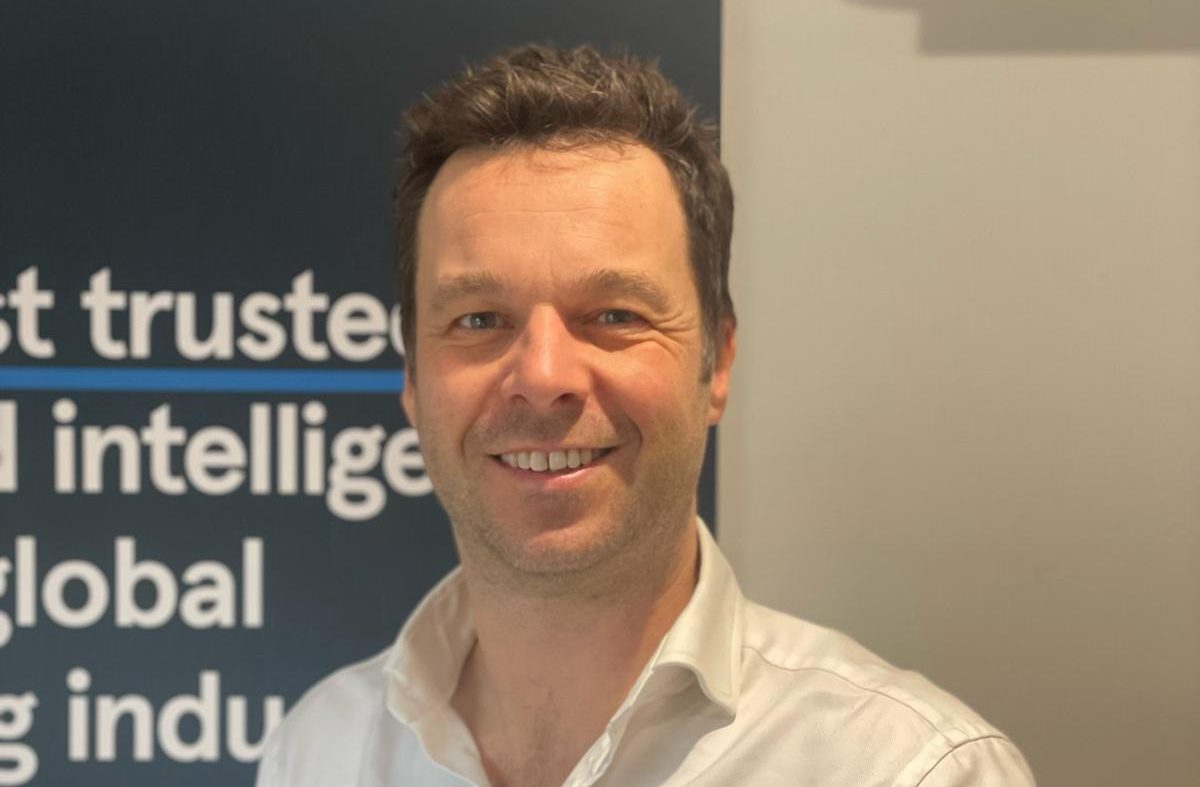
Ed Birkin, Managing Director at H2 Gambling Capital, warns against the pitfalls of inflating the estimates of Brazil’s illegal gambling market. He asserts that overstated figures may provoke policymakers to impose stricter regulations on legitimate operators, ultimately harming the sector.
Since Brazil’s online gambling market was regulated on January 1, there has been considerable debate about the extent of illegal gambling activities. Recently, Tiago Barbosa from Genius Sports claimed that 70% to 80% of all bets in Brazil are placed illegally. Birkin disputes this, suggesting that the actual figure is closer to 30%. He fears that sensationalized claims may distort policymakers’ perceptions, leading them to perceive the industry as highly detrimental and necessitating tighter oversight.
Birkin believes that some operators might be exaggerating the illegal market’s size to divert attention from their own lackluster performance in the newly regulated environment. He mentions, “Many operators may be deflecting blame onto the illegal market instead of recognizing their own failures in attracting players.”
Concerns about a hypothetical 60% to 70% illegal market were first voiced in January, amidst challenges faced by licensed operators transitioning to new Know Your Customer (KYC) requirements. However, as the market began to flourish, with revenues soaring from BRL 2.2 billion in January to BRL 4 billion by April, Birkin points out that claims of the illegal market growing correspondingly do not hold water. “If the legal market doubles in size, the illegal one cannot logically do the same,” he argues, challenging the drastic projections that some in the media continue to promote.
Regulatory Pressures and Their Implications
In less than eight months since the regulation began, the gambling sector faces mounting regulatory pressures. Proposed measures, including an increase in operator taxes from 12% to 18% and fresh advertising restrictions, are on the horizon. Some industry voices warn that these changes could push players further into the arms of illegal operators, but Birkin suggests that such arguments are falling on deaf ears in government circles.
“They’re not concerned with the legal versus illegal market split; they perceive gambling as a broad social issue,” he explains. The government’s focus appears to be on curbing perceived excesses, irrespective of the realities of market dynamics.
For instance, when the legal market reached BRL 3 billion, many commented on the startling growth. Yet less than a month later, speculation about an illegal market size of BRL 10 billion arose, a notion Birkin deems illogical and unsupported by concrete data.
Lessons from the Netherlands
Birkin draws a parallel with the Netherlands, where an increase in legal market visibility triggered fears about gambling harm, leading to regulatory crackdowns. After the launch of their regulated online gambling market in October 2021, rapid growth in the sector was soon followed by stringent advertising restrictions and heavier taxation, resulting in a significant rise in the share of illegal operators.
He warns, “What has happened in the Netherlands is a cautionary tale. Over-exaggeration leads to unnecessary scrutiny and restrictions, which benefit no one in the long run.” With H2 now estimating that illegal operators comprise around 50% of the Dutch market, he cautions that Brazil might be heading down a similar path if the narrative about the illegal market continues to be misrepresented.
Taking Responsibility
Ultimately, Birkin believes that if new regulatory measures are put into place, licensed operators will bear some responsibility for that outcome. He highlights the concentration of the market, where a select few brands dominate, leaving the remaining operators to struggle with negligible market shares.
“There needs to be a shift in perspective. Blaming the illegal market serves no constructive purpose when the industry’s own performance is problematic,” he emphasizes. He calls for a more honest assessment of the market dynamics, urging the sector to take ownership of its challenges rather than resorting to scapegoating.
“If the industry continues to endorse the fallacy that the illegal market overshadows the legal one, we risk provoking even more regulations that could stifle our growth.”