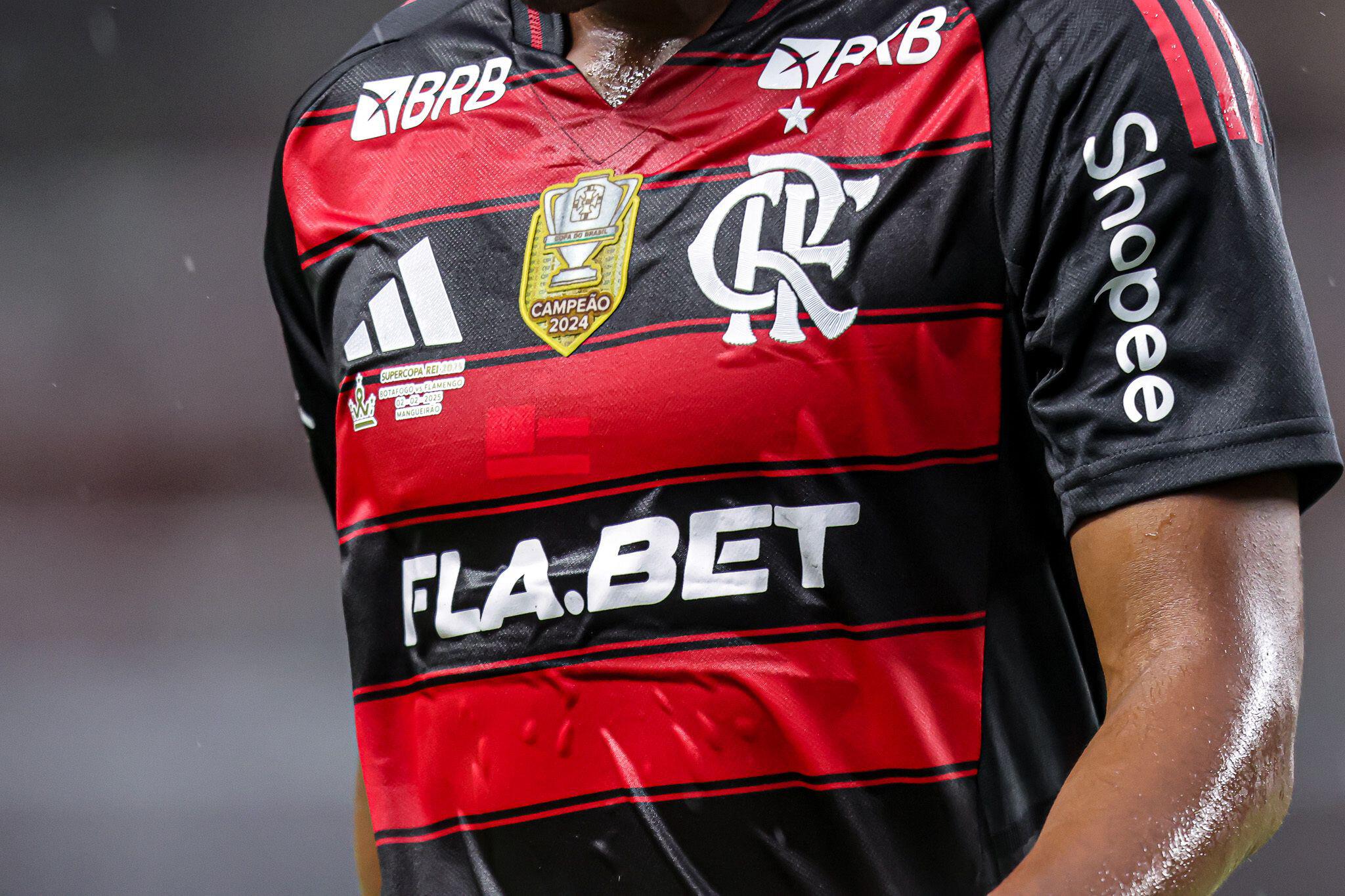
Pixbet’s High-Stakes Sponsorship with Flamengo Fizzles Out
Pixbet’s attempt to establish itself in Brazil’s burgeoning sports betting market has hit a major snag with the premature termination of its sponsorship deal with Flamengo, the country’s most popular football club. This setback raises questions about the company’s financial stability and its aggressive market strategies.
Recently, Flamengo announced it would be cutting ties with Pixbet, a sponsorship deal valued at approximately BRL470 million ($87.1 million) over four years, amid allegations of delayed payments. This sponsorship was heralded as a landmark in Brazilian football history but has now turned into a cautionary tale about overreach in a competitive marketplace.
The fallout from this sponsorship termination reflects broader challenges faced by Pixbet as it navigates the complexities of Brazil’s regulated online gaming landscape. The company has reportedly experienced its license being suspended and reinstated multiple times this year due to technical issues, highlighting its operational vulnerabilities.
Assessing Pixbet’s Strategic Missteps
Since the fallout, Betano has taken the lead as Flamengo’s primary sponsor, signing a contract worth BRL250 million annually. In stark contrast, Pixbet’s hefty investment in Flamengo accounted for an astonishing 20% of its net gaming revenue over just six months, a figure that seems unsustainable for a company holding only a 2% market share.
Ed Birkin, Managing Director at H2 Gambling Capital, points out the troubling implications of such a disproportionate allocation of budget. “When a single marketing expenditure represents such a large chunk of your revenue, it poses a serious risk to the sustainability of the business,” he notes.
Betano, the market leader, reported a staggering NGR of BRL3.5 billion in the same timeframe, translating to a sponsorship expenditure that amounts to a mere 3.5% of its revenue. This strategic financial management allows Betano to thrive, showcasing a significant divide in business acumen between the two brands.
The Landscape of Brazilian Sports Betting
The Brazilian market has evolved to favor international brands, with Betano, Bet365, and Superbet dominating the scene. Initially, many believed that local operators would better understand the nuances of Brazilian culture. However, evidence suggests that international operators, equipped with larger resources and targeted marketing strategies, are outpacing their local counterparts.
This paradigm shift illustrates that setting up local operations is no guarantee of success in an increasingly competitive environment. Birkin’s take on the situation underscores that absence of local presence can indeed hinder success, but strategic investment and operational efficiency can tip the scales in favor of international brands.
Will Smaller Operators Survive?
The issue of sustainability resonates particularly with smaller operators who are navigating the regulatory landscape. As noted by Christian Tirabassi of Ficom Leisure, the market may become increasingly concentrated, with only a handful of brands capturing the lion’s share of business. Out of 173 licensed gaming brands being tracked, the top 20 are responsible for the majority of revenue, leaving numerous smaller operators scrambling for a viability.
Pixbet, despite being the 11th largest, is already feeling the pinch of financial stress. If a relatively sizeable operator can find itself in such precarious circumstances, it stands to reason that smaller brands could face even tougher challenges, especially with looming tax increases and new ad restrictions.
The Lesson from Pixbet’s Gamble
Ultimately, Pixbet’s ambitious gamble on Flamengo has not yielded the expected rewards. Coupled with the launch of a lesser-known betting brand, Flabet, which struggled to make a significant impact in the market, it reflects a misguided focus that may have alienated potential fans outside of Flamengo’s devoted base.
Despite these setbacks, Birkin believes that opportunities still exist for smaller operators in Brazil, provided they maintain a disciplined approach to finances. “If they can manage their costs effectively, a smaller operation can still thrive,” he asserts. The lesson is clear: in the high-stakes world of sports sponsorship, prudent financial management is as crucial as striking high-profile deals.
In conclusion, Pixbet’s experience serves as a cautionary tale for operators diving into competitive markets without strategic foresight and fiscal responsibility. The Brazilian sports betting arena remains vibrant, but sustainability may hinge on how well companies manage their resources amid increasing competition.