Macau’s Satellite Casinos Facing Closure: A Shift in the Gaming Landscape
As the Macau gaming sector undergoes a transformative phase, several prominent operators, including Melco Resorts, Galaxy Entertainment, and SJM Holdings, are set to close multiple satellite casinos by the close of 2025.
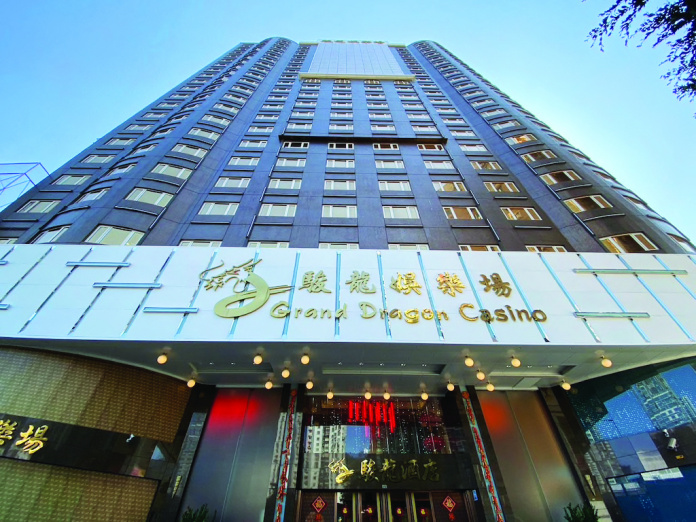
Recent announcements have indicated that many of these satellite establishments will wind down operations by the end of this year. In a statement released this past Monday, Melco Resorts & Entertainment disclosed plans to shutter its Grand Dragon Casino, along with three slot lounges under the Mocha Club brand. According to the company, these closures are part of a broader strategic alignment with Macau’s legal landscape.
However, Melco intends to keep the Mocha Inner Harbour, Mocha Hotel Sintra, and Mocha Golden Dragon operational, pending government permissions.
Meanwhile, Galaxy Entertainment has confirmed it will cease operations at the Waldo Casino, attributing the decision to commercial factors. The group has also pledged to relocate affected employees to other properties within Macau.
SJM Holdings appears to be making the most substantial cuts, announcing the closure of seven out of its nine satellite casinos this year. The company plans to bring the remaining two, Ponte 16 and L’Arc Macau, under direct management. This strategy is aimed at bolstering SJM’s long-term goals and enhancing its competitive edge. The properties slated for closure include Casa Real, Emperor Palace, Fortuna, Grandview, Kam Pek Paradise, Landmark, and Legend Palace, all of which will see their service agreements expire by December 31.
In light of the changes, SJM has assured that affected staff will be offered opportunities within its broader portfolio.
A New Direction for the Industry
The landscape for satellite casinos is shifting significantly following modifications to Macau’s gaming regulations in 2022. These amendments precede the allotment of new 10-year casino concessions, mandating satellite establishments to transition from profit-sharing frameworks to ownership models directly held by licensees. Those that adapt successfully will ultimately operate on a management fee basis rather than revenue sharing.
Expert analyst Chan Chi Leong pointed out that satellite casinos typically have borne the brunt of operational costs, including salaries, while concessionaires are responsible for gaming taxes, which amount to approximately 40% of gross revenue. Traditionally, satellites have garnered about 55% to 57% of gross gaming revenue (GGR), with the balance retained by the concessionaires.
Despite the impending closures, these satellite casinos may still play a role in Macau’s gaming ecosystem, potentially adapting their management fees to align with inflationary trends.
The ramifications of these closures may impact up to 6,000 jobs across 11 satellite casinos in the region. The Macau Labour Affairs Bureau has committed to closely monitoring the situation to ensure that operators follow through on promises to reassign affected workers.
This evolving scenario marks a pivotal moment for Macau’s gaming sector, suggesting a future where adaptation and strategic realignment will be crucial for survival and success in a competitive market.