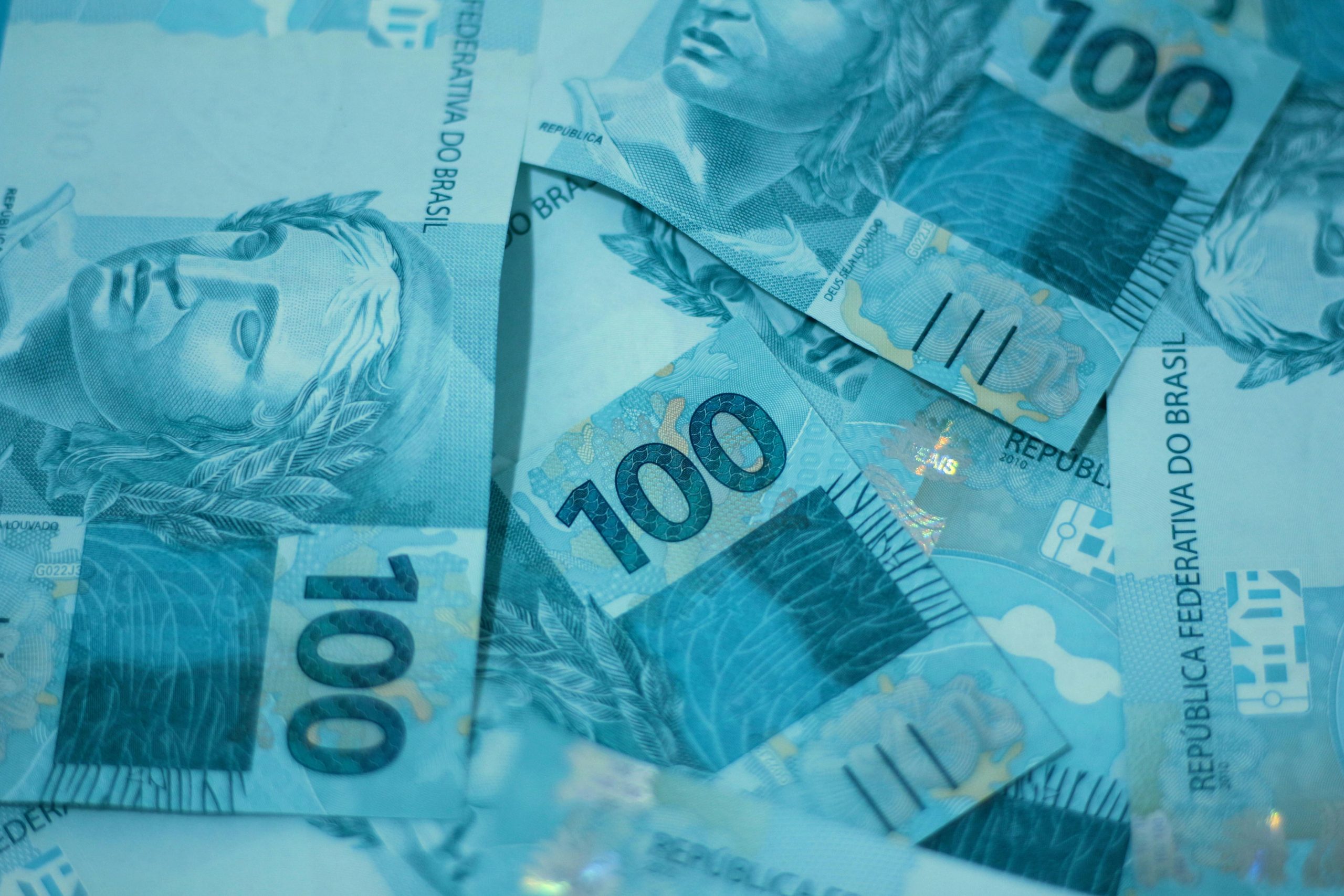
Brazil’s Gambling Sector Faces New Challenges Amid Proposed Tax Hikes
Recently, the Brazilian Senate’s approval of tighter advertising regulations for the gambling industry has stirred up apprehension among stakeholders, who now confront the looming threat of increased taxes.
In a notable response, six leading gambling trade bodies in Brazil have collectively issued a statement opposing the government’s potential tax amplifications. Prominent organizations involved include the Brazilian Institute of Responsible Gaming (IBJR) and the National Association of Games and Lotteries (ANJL). The criticism was directed at a Senate bill proposing a staggering increase in the financial transactions tax (IOF) from 0.38% to 3.5%.
This tax rise, which applies to credit and foreign transactions, could be implemented swiftly, contrasting with other tax adjustments that often require more complex legislative processes. The initial proposal was laid out in Decree No. 12,466/2025 on May 22, but subsequent pressure from lawmakers suggested the decree might be rescinded.
Despite this, Aloizio Mercadante, the President of the National Bank for Economic and Social Development, indicated that a higher tax burden on the gambling sector might be necessary to compensate for revenue lost through the potential repeal of the IOF increase. Reports suggest that the Ministry of Finance would need to collect roughly 77% of current monthly earnings from gambling operators to meet a target of BRL20 billion ($3.5 billion) in tax revenue.
In their joint statement, industry representatives voiced their alarm over the prospect of added taxes jeopardizing the viability of existing online operators. They expressed, “The entities representing Brazil’s betting sector are gravely concerned and strongly opposed to the idea of amplifying the tax burden on local operators.” Currently, 79 licensed operators have contributed over BRL2.4 billion in authorization fees and are projected to pay more than BRL4 billion in tax and social contributions by 2025.
They argue that imposing further taxes on an already heavily taxed industry is unwarranted from any reasonable economic or public policy viewpoint.
Understanding Brazil’s Gambling Tax Framework
At present, gambling operators are subject to a 12% tax on gross gaming revenue (GGR), alongside a PIS/Cofins tax of 9.25% and municipal taxes that can reach 5%. They also endure taxation on about 34% of their profits, divided into 25% corporate income tax and 9% social contributions. Brazil is in the midst of overhauling its tax system, transitioning to a model that could elevate the total tax burden on operators by an additional 13%.
The introduction of a consumption tax, often labeled a "sin tax" on gambling, poses yet another risk. According to industry associations, these developments could push the effective tax burden near 50%.
“The current moment offers Brazil a unique chance to establish a robust regulatory framework for gambling that prioritizes revenue generation, market integrity, and consumer protection,” the groups emphasized, urging policymakers to steer clear of decisions that could hinder future progress.
João Rafael Gandara, a legal expert at Pinheiro Neto Advogados, notes that such tax measures appear aligned with the government’s objective of achieving a zero deficit by 2025. He speculates that the proposed IOF increase might be a desperate measure by President Luiz Inácio Lula da Silva as general elections loom on the horizon.
Implications for the Illegal Gambling Market
Much like the skepticism surrounding new advertising restrictions, industry insiders are warning that increased taxation could further endanger the stability of online operators, inadvertently bolstering the illegal gambling market.
The associations pointed to lessons from Italy and Spain, where heavy taxation on regulated markets led to the flourishing of illicit operations, ultimately resulting in lost governmental revenues. "Policies that jeopardize legitimate businesses tend to fortify underground platforms that evade taxation," they emphasized.
In Brazil, the current landscape reflects troubling trends, with estimates suggesting that while the regulated market moved BRL3.1 billion monthly during Q1 2025, the illegal sector operated with revenues between BRL6.5 billion and BRL7 billion monthly—amounts that remain beyond governmental oversight.
The Potential of Land-Based Legalization
While Brazil successfully launched regulated online betting on January 1, the timeline for legalizing land-based gambling remains uncertain. Minister of Tourism Celso Sabino had previously indicated that a Senate vote could occur in the first half of the year, yet the possibility seems increasingly remote.
Gandara believes that legalizing land-based casinos could furnish the government with the tax revenues it seeks. "From a positive perspective for gambling companies, especially with discussions surrounding land-based casinos, this could create a fruitful opportunity," he remarked.
During the April SiGMA Americas Summit in São Paulo, discussions were held regarding a legislative proposal to enable casino operations in Brazil, potentially serving as a means to offset certain tax liabilities. "This might indeed be the right moment for such initiatives," he concluded.